3-Day Intensive Course for Security and IT Professionals
3 Intense Days
7 Hours per Day (Split into two 3.5-hour sessions)
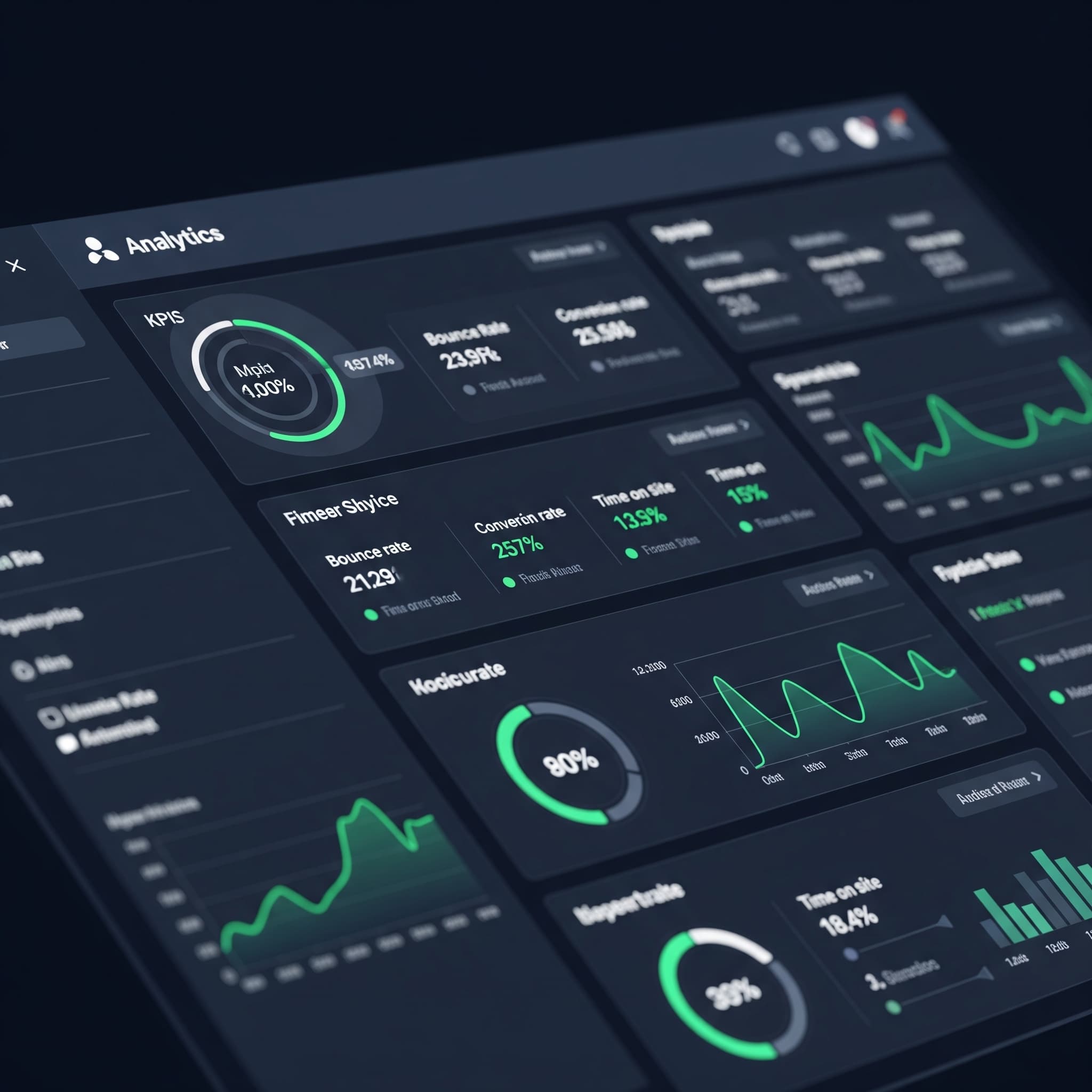
Learning Path Visual
Your hands-on journey from audit preparation to executive-level remediation:
Day 1: Foundations of IT Security Auditing
Learn the audit lifecycle, risk frameworks, and compliance requirements. Set up your auditing environment and plan a full-scope strategy across cloud and on-prem systems.
Day 2: Technical Assessment & Evidence Gathering
Use real tools to analyze logs, scan for vulnerabilities, evaluate access controls, and gather forensic-quality evidence for internal systems and third-party audits.
Day 3: Reporting, Frameworks & Remediation Strategy
Turn technical findings into stakeholder-ready reports. Map audit results to compliance standards (ISO 27001, NIST, CIS) and build structured, risk-aligned remediation plans.
Course Overview
Security isn’t just about tools — it’s about accountability. This workshop equips IT professionals to conduct end-to-end security audits using proven frameworks, enterprise tools, and actionable methodologies.
You’ll learn to uncover vulnerabilities, document risks, and guide your organization from exposure to assurance — with clear reporting and roadmap-building skills that bridge technical and executive needs.
You’ll learn how to:
-
Plan and scope full-cycle security audits across hybrid infrastructure
-
Use auditing tools for scanning, log analysis, access auditing, and misconfiguration checks
-
Map audit findings to industry standards (ISO 27001, NIST 800-53, CIS Controls)
-
Collect defensible, traceable evidence for internal and third-party audits
-
Write audit reports with technical and non-technical stakeholders in mind
-
Build remediation plans that align with business risk and compliance timelines
-
Maintain continuous audit readiness using automation and secure documentation practices
This course bridges technical assessment, governance frameworks, and executive reporting — empowering security teams to own the audit process.
What’s Inside Each Day
Day 1 — Foundations of IT Security Auditing
-
Define audit scope, roles, and methodology
-
Review audit types: internal, third-party, system-specific
-
Explore risk frameworks: ISO, NIST, OWASP ASVS, MITRE ATT&CK
-
Understand compliance contexts: GDPR, SOX, HIPAA, PCI-DSS
-
Set up audit environments and data collection systems
-
Align audit planning with business and regulatory priorities
Tools: MITRE ATT&CK, OWASP ASVS, CIS Benchmarks, AuditBoard templates
Focus: Audit Planning • Risk Mapping • Governance Setup
Day 2 — Technical Assessment & Evidence Gathering
-
Vulnerability scanning: Nessus, OpenVAS, Qualys
-
Log auditing and analysis (Windows, Linux, Syslog, ELK)
-
Access reviews: IAM auditing, AD configuration checks
-
Cloud auditing: AWS Config, Azure Defender, GCP Security Command Center
-
Secure evidence collection and chain-of-custody workflows
-
Create audit trails, snapshots, and time-stamped event logs
Tools: Nessus, OpenVAS, Splunk, ELK, Auditd, AWS Config, Azure Security Center
Focus: Scanning • Access & Log Analysis • Cloud Exposure Review
Day 3 — Reporting, Frameworks & Remediation Strategy
-
Audit report writing: technical vs. executive formats
-
Map findings to ISO 27001, NIST 800-53, and CIS Controls
-
Prioritize risk with impact vs. exploitability frameworks
-
Communicate results via dashboards, risk matrices, and summaries
-
Design remediation paths: ownership, budget, scheduling
-
Launch continuous audit readiness pipelines
Tools: Power BI, Jira, ISO/NIST templates, FastTrack audit worksheets
Focus: Reporting • Remediation Planning • Continuous Assurance
Course Goals
By the end of this course, you’ll be able to:
-
Scope, execute, and document corporate security audits
-
Assess infrastructure across systems, cloud, and access layers
-
Use enterprise tools to gather and analyze audit evidence
-
Align findings with compliance standards and risk frameworks
-
Communicate clearly with both technical and business stakeholders
-
Build structured remediation plans with lasting impact
-
Prepare your organization for internal, regulatory, and vendor audits
Who Should Take This Course?
-
IT auditors developing technical depth
-
Security analysts performing risk and compliance reviews
-
System administrators responsible for configuration and access control
-
Cloud and DevSecOps teams building audit-ready environments
-
Compliance officers needing visibility into technical exposure
-
CISOs and tech leads standardizing security assurance across teams
Class Reference: SPE-40
Form Updated on: 06/16/2025 (Version 1)
Last Modified on: 06/16/2025
Program Note
This course is actively updated with the latest auditing tools, cloud service features, and compliance standards (including ISO 27001:2022, NIST CSF 2.0, and evolving EU/US data protection regulations).
Links to resources for presentations or summaries:
PRIVACY
Cyber Security Minute | NEWS10 ABCHow to Anonymize Everything You Do Online | WIRED
Hacker Lexicon: What Is Perfect Forward Secrecy? | WIRED
Wanna Protect Your Online Privacy? Open a Tab and Make Some Noise | WIRED
Fundamentals of Information Systems Security – Wikibooks, open books for an open world
HIGH PROFILE CASES
Election cyberattack proves people are still the biggest flaw
Inside the Hunt for Russia’s Most Notorious Hacker | WIRED
Did the Russians “hack” the election? A look at the established facts | Ars Technica
The Perfect Weapon: How Russian Cyberpower Invaded the U.S. – The New York Times
Inside the OPM Hack, The Cyberattack that Shocked the US Government | WIRED
What’s Up With The Internet Today? Websites Lag, Don’t Load For Many In U.S. : The Two-Way : NPR
24 cyber criminals arrested in Europol operation
GENERAL ENTREPRISE CYBER SECURITY
What is shadow IT (shadow information technology)? – Definition from WhatIs.com
Election cyberattack proves people are still the biggest flaw
What is ITSM (IT Service Management)? – Definition from WhatIs.com
What is security information and event management (SIEM)? – Definition from WhatIs.com
What is security information management (SIM)? – Definition from WhatIs.com
VPNs And Privacy: Using Virtual Private Networks May Put Your Data At Risk : All Tech Considered : NPR
SANS Institute: Reading Room
Nearly a third of malware attacks are zero-day exploits
Wireshark · Go Deep.
How it Works: Cybersecurity – YouTube
Cybersecurity: Crash Course Computer Science #31 – YouTube
The steps to effective cybersecurity incident response
Tabletop cybersecurity exercises essential to infosec training
Content / Special Publications – SP 800 series / NIST SP 800-37 Guide for the Security Certification and Accreditation of Federal Information Systems – NIST IT Security
CLOUD SECURITY (see more in cloud computing class section)
A framework for evaluating cloud computing risk
Technical Communities Overview – Open Networking Foundation
Web application and API security trends and threats – O’Reilly Media
INTRUSION DETECTION
What is advanced persistent threat (APT)? – Definition from WhatIs.com
What is software-defined perimeter (SDP)? – Definition from WhatIs.com
Why signature-based detection isn’t enough for enterprises
Identifying the warning signs of network intrusions
Four handy botnet detection techniques and tools: A tutorial
Insider threat detection tools that sniff out dangers from within
What is network behavior anomaly detection (NBAD)? – Definition from WhatIs.com
How to hone an effective vulnerability management program
Cybersecurity checklist a strategy tool for increasing attack costs
What is zero-day exploit? – Definition from WhatIs.com
Thank you for Downloading all 20 CIS Controls
Five traits employers should look for when hiring cyber security professionals – TechRepublic
TOOLS
Kali Linux | Penetration Testing and Ethical Hacking Linux Distribution
Metasploit | Kali Linux
LAN Turtle by Hak5
BackTrack Linux – Penetration Testing Distribution
Cyberinsurance: Assessing risks and defining policies
VirusTotal – Free Online Virus, Malware and URL ScannerMachine Learning and Cyber Security Resources
Insider threat detection tools that sniff out dangers from within
Downloading Junkware Removal Tool
SANS Information Security Training | Cyber Certifications | Research
How does AWS Directory Service offer security benefits?
IDS on a budget of…well…0$ – IT Security – Spiceworks
Intrusion detection systems – SecTools Top Network Security Tools
IDS, IPS and UTM – What’s the Difference? | AlienVault
Passive Recon – Nine must-have OSINT tools<
Download | SimpleRisk
Open Networking Technical Communities, Corporate Memberships
 Lead
Lead