
AI, data & software instructor
Meriam Mbindyo
Instructor for AI, data, DevOps, Agile and software modules, with experience across Paris-based IT and business schools.
Artificial intelligenceMachine learningData miningBTS EnglishESPDevOps
Professional training module
Understand AI not as technology, but as a decision-making tool. This semester builds the foundation every business professional needs before working with data, analytics, or automation.
Overview
Understand AI not as technology, but as a decision-making tool. This semester builds the foundation every business professional needs before working with data, analytics, or automation.
Learning outcomes
Business and management students with no AI background
Digital transformation and strategy students
Consultants, analysts, and project managers
Professionals seeking AI literacy for business decision-making
Module content
This course is part of a two-year academic program comprising four semesters.
This course corresponds to: Semester 1 of 4.
Each semester includes 12 instructional sessions, with each session lasting 3 hours, for a total of 36 hours per semester.
The complete program represents 144 hours of structured instruction, combining lectures, applied workshops, and project-based learning.
Primary anchors (from our catalogue):
DSCI 220 – Artificial Intelligence in Business (https://linguistic-communication.com/courses/dsci-220-artificial-intelligence-in-business/)
TID10 – Intro to Business Intelligence & Analytics (https://linguistic-communication.com/courses/intro-to-business-intelligence-analytics-2/)
DIT-010 – Digital Transformation (https://linguistic-communication.com/courses/digital-transformation/)
Understand how AI supports business decisions, before touching advanced data or automation.
This semester introduces students to how artificial intelligence and business intelligence are used to support decision-making in modern organizations. Rather than focusing on technical implementation, the course emphasizes understanding data, interpreting analytics, and identifying where AI creates real business value.
Students explore core concepts such as KPIs, dashboards, descriptive and diagnostic analytics, and AI-assisted decision support across functions like marketing, finance, operations, and HR. The semester also places AI within the broader context of digital transformation, helping students understand why many AI initiatives fail when business fundamentals are ignored.
By the end of the semester, students will be able to confidently evaluate AI opportunities, communicate with technical teams, and frame AI initiatives in business terms.
Workshop 1 (Midterm): Business AI use-case analysis
Workshop 2 (Midterm): BI dashboard & insight interpretation
Final Project: AI-enabled business decision proposal
COURSE SCHEDULE – SEMESTER 1
| Session | Focus | Weekly Session Content |
|---|---|---|
| 1 | AI in Business Overview | What AI is (and isn’t) in organizations |
| 2 | Business Intelligence Basics | KPIs, dashboards, descriptive analytics |
| 3 | Data for Managers | Data types, quality, limits |
| 4 | Analytics for Decisions | Turning data into insight |
| 5 | AI Use Cases | Marketing, finance, ops, HR |
| 6 | Digital Transformation | AI as part of transformation |
| 7 | Workshop 1 | AI use-case mapping (midterm) |
| 8 | Ethics & Bias | Risks of data-driven decisions |
| 9 | AI Decision Support | Augmentation vs automation |
| 10 | Business Case Studies | Successes and failures |
| 11 | Workshop 2 | BI interpretation & insight defense |
| 12 | Final Project | AI-supported business decision proposal |
Business and management students with no AI background
Digital transformation and strategy students
Consultants, analysts, and project managers
Professionals seeking AI literacy for business decision-making
Class reference: SEM1/AI
Form Updated on: 22/01/2026 (Version 1)
Last Modified on: 22/01/2026
Program Information:
This program is continuously updated to reflect the latest AI tools, business applications, and regulatory frameworks.
YEAR 1: AI & Business intelligence Foundations est présenté ici en version synthétique française afin que les équipes pédagogiques puissent évaluer rapidement l'intérêt du module.
Le module s'inscrit dans la famille Analytics et intelligence artificielle. Il peut être adapté au calendrier de l'école, au niveau Tous niveaux, au volume horaire 36 h et aux modalités d'évaluation prévues.
Ce module vise à relier les outils data, IA et automatisation à des usages professionnels concrets.
LC peut ajuster le déroulé, la langue d'enseignement, les supports, les exercices et les critères d'évaluation selon la promotion, le diplôme, le niveau d'autonomie attendu et les contraintes de planning.
Pour une version détaillée du syllabus en français, LC confirme le programme final après cadrage du niveau, des heures, du calendrier et des livrables attendus.
Academic delivery team
After reviewing the module content, LC confirms the right delivery profile by topic, level, teaching language and assessment expectations.
AI, data & software instructor
Instructor for AI, data, DevOps, Agile and software modules, with experience across Paris-based IT and business schools.

Digital strategy, AI & technical communication instructor
Instructor for English-medium web, AI, technical communication and employability modules in higher-education technical programmes.
Continue exploring

Analytics & artificial intelligence
€75 per hourTurn Disruption Into Opportunity. This 3-day Digital Transformation course shows you how to rethink business models, align strategy with technology, and lead organizational change…
Analytics & artificial intelligence
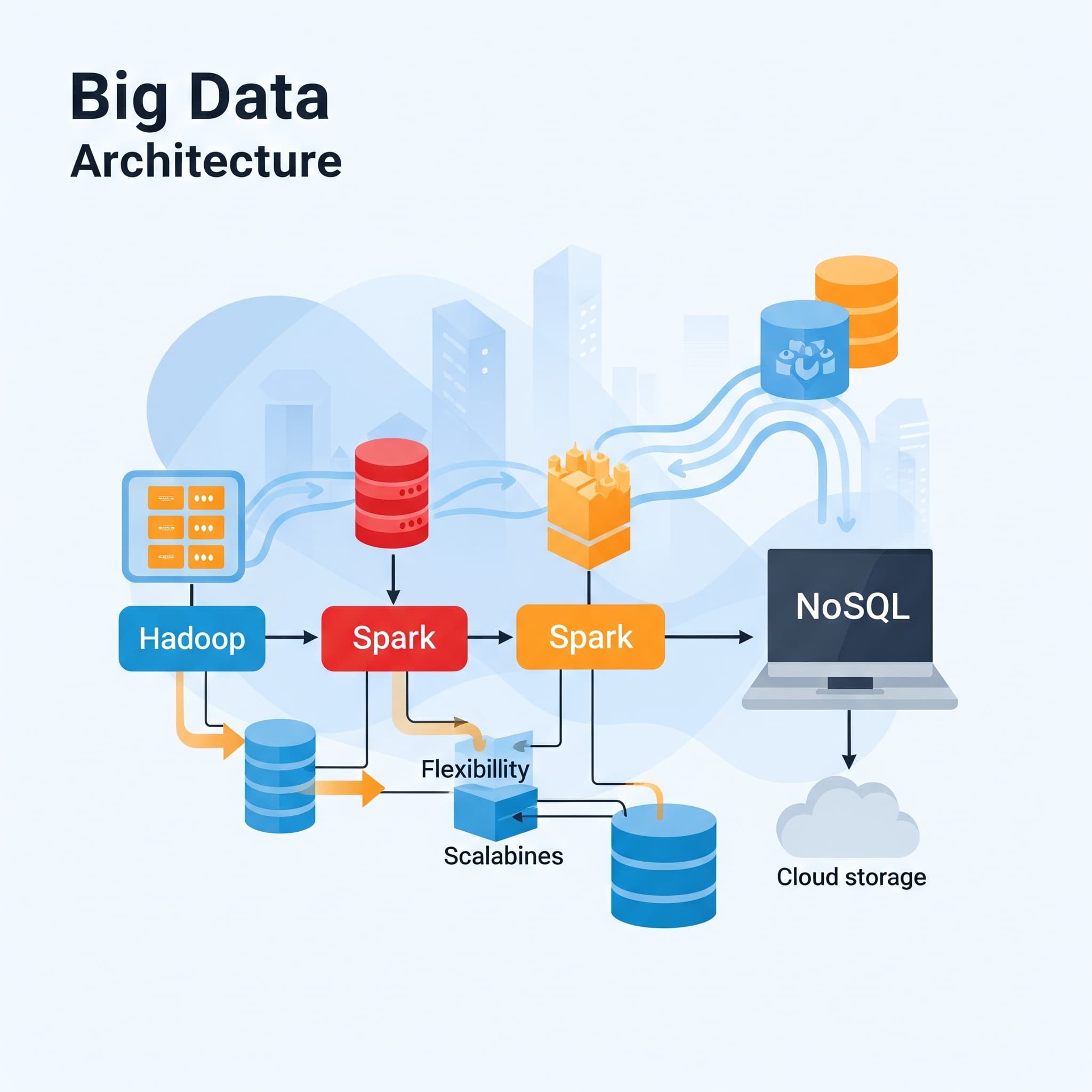
€75 per hourBuild Smarter Infrastructure. Deliver Real Value. This 3-day intensive workshop teaches you how to design scalable data platforms and monetize them through APIs, services, and mar…
Analytics & artificial intelligence
€75 per hourFrom Raw Data to Real Results. This 3-day technical workshop teaches you how to uncover meaningful patterns in data using proven mining techniques. You’ll move from foundational c…