Course Breakdown
3 Intense Days
7 Hours per Day (Split into two 3.5-hour sessions)
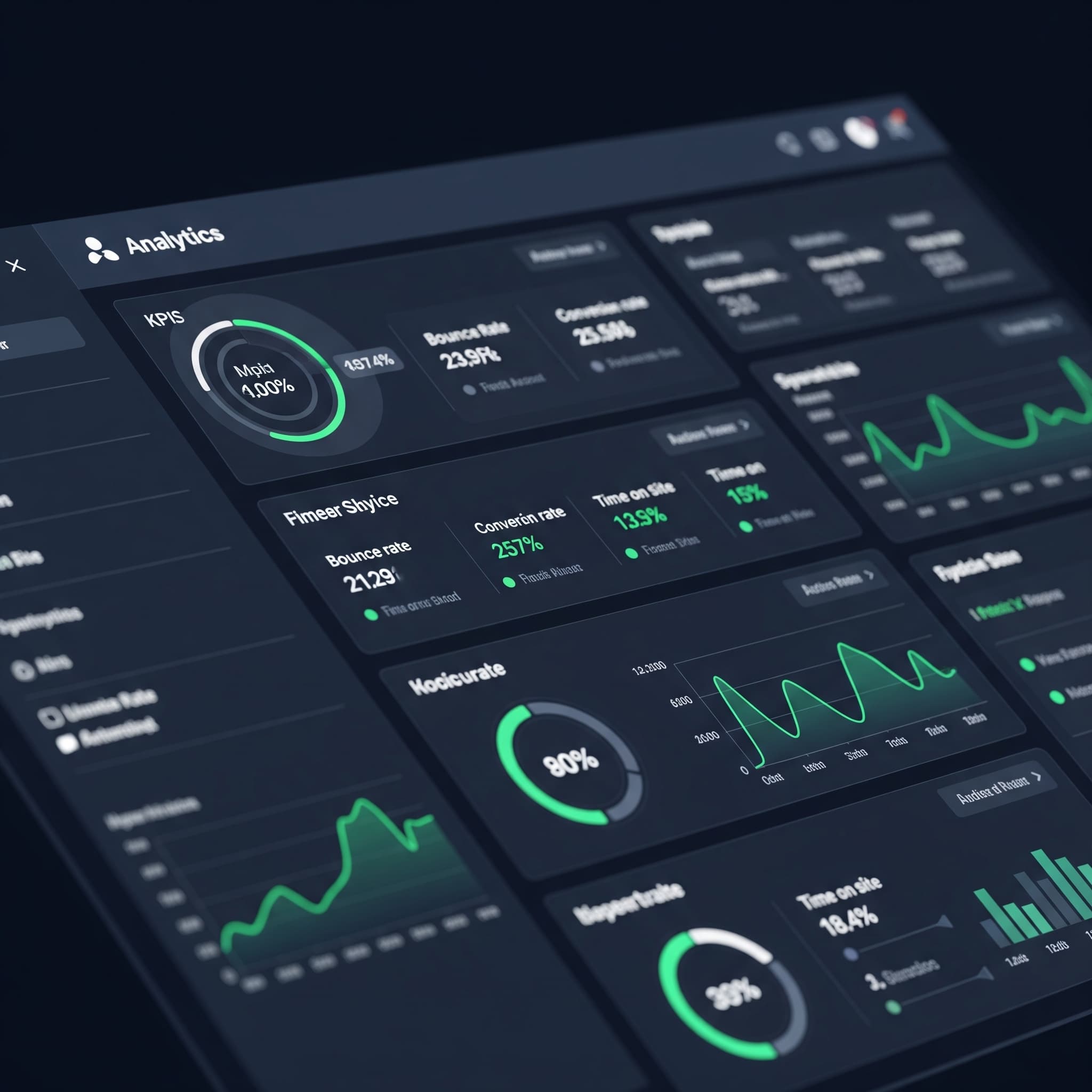
Learning Path Visual
Here’s a quick look at your journey from novice to operating systems and business applications pro:
Day 1: Fundamentals & Setup — Understanding operating systems and business applications world, setup environment and core concepts.
Day 2: Implementation & Analysis — Hands-on practice with real-world scenarios and problem-solving.
Day 3: Projects & Advanced Techniques — Apply knowledge, build projects, and master advanced implementation strategies.
Course Overview
Operating Systems and Business Applications bridges the gap between the systems that run your devices and the software that drives productivity. In this fast-paced, practical course, you’ll gain a clear understanding of how operating systems like Windows, macOS, and Linux work, and how to harness their capabilities to run essential business applications more efficiently.
Whether you’re launching a career in tech, managing teams, or just want to stop guessing and start understanding how your digital world works, this course delivers real-world knowledge you can apply immediately.
What’s Inside Each Day
Day 1: Essential Foundations
-
Grasp the core concepts of operating systems and business applications
-
Explore key tools (Windows, macOS, Linux, MS Office, cloud platforms)
-
Understand how these systems drive business operations and workflows
-
Framework: Concepts ➔ Tools ➔ Real-world Relevance
Day 2: Deep Dive & Analysis
-
Dive into practical implementation and system configuration
-
Analyze performance, compatibility, and integration challenges
-
Explore optimization strategies for productivity and system stability
-
Learn diagnostic techniques and common troubleshooting workflow
Day 3: Real-World Projects & Advanced Techniques
-
Work through realistic business case studies and user scenarios
-
Create, manage, and troubleshoot business app environments
-
Apply OS-level decisions to impact user experience and efficiency
-
Present a mini-project demonstrating your system knowledge in action
Course Goals
When you complete this course, you’ll be able to:
-
Understand the role and structure of modern operating systems
-
Navigate and configure key OS features used in business environments
-
Use, manage, and troubleshoot business applications with confidence
-
Make smarter decisions about software tools and system compatibility
Who Should Take This Course?
This course is perfect for:
-
Business and IT students seeking a solid foundation in systems and applications
-
Professionals aiming to boost digital productivity and technical fluency
-
Aspiring IT support staff and system administrators
-
Entrepreneurs and managers making software or hardware decisions
-
Career changers moving into tech-related roles
Class reference : CCS/SPE
Form Updated on: 05/27/2025 (Version 1)
Last Modified on: 05/27/2025
Program Information
This program is updated in real-time to reflect the latest technological developments and industry standards.
Links to resources for presentations or summaries:
Operationg Systems:
Understanding Operating Systems
Operating System
What is Operating System? | Types of Operating System
Evolution of Operating Systems
History of the Operating System – javatpoint
Operating System Components and Their Services
Components of Operating System
What is machine code (machine language)? – Definition from WhatIs.com
MS-DOS history, description, commands, clones, future outlook
Linux/Vs Unix: Linux vs. Unix: What’s the difference?
Linus Torvalds | Speaker | TED
Microsoft History OS: MS-DOS history, description, commands, clones, future outlook
10 bad habits IT helpdesk professionals must break
Multi Modal Data Base: Multi-modal Database
What is multimodel database? – Definition from WhatIs.com
Binary code: https://whatis.techtarget.com/definition/machine-code-machine-language?track=NL-1823&ad=919431&src=919431&asrc=EM_NLN_89637463&utm_medium=EM&utm_source=NLN&utm_campaign=20180222_Word%20of%20the%20Day:%20machine%20code%20(machine%20language)
Hardware
What is cache (computing)? – Definition from WhatIs.com
RAID level 0, 1, 5, 6 and 10 | Advantage, disadvantage, use
In multi-core era, per-socket pricing faces challenges
Microsoft’s Internet Business Gets a New Kind of Processor
http://media.amazonwebservices.com/architecturecenter/AWS_ac_ra_games_10.pdf
Systems Infrastructure for Deep learning
An in-depth look at Google’s first Tensor Processing Unit (TPU)
Microsoft First to Bring AMD’s EPYC Processors to Its Cloud Platform
 Lead
Lead